Hydro-
Geophysics
Tasmania
Groundwater Mapping · Deep Ground Water Exploration · Contaminant Pathways
Tasmania's High-Yield
Groundwater Experts
Whether you are a farmer needing a reliable irrigation bore, a rural landowner wanting a domestic water supply, or a developer assessing a new site
Spaulding Geophysics' groundwater prospecting services play a critical role in ensuring a reliable and sustainable water supply, especially in areas where surface water is scarce or unpredictable.
By accurately locating groundwater sources, it offers a dependable supply for agriculture, industry and domestic use — particularly in rural or underserved areas facing drought.
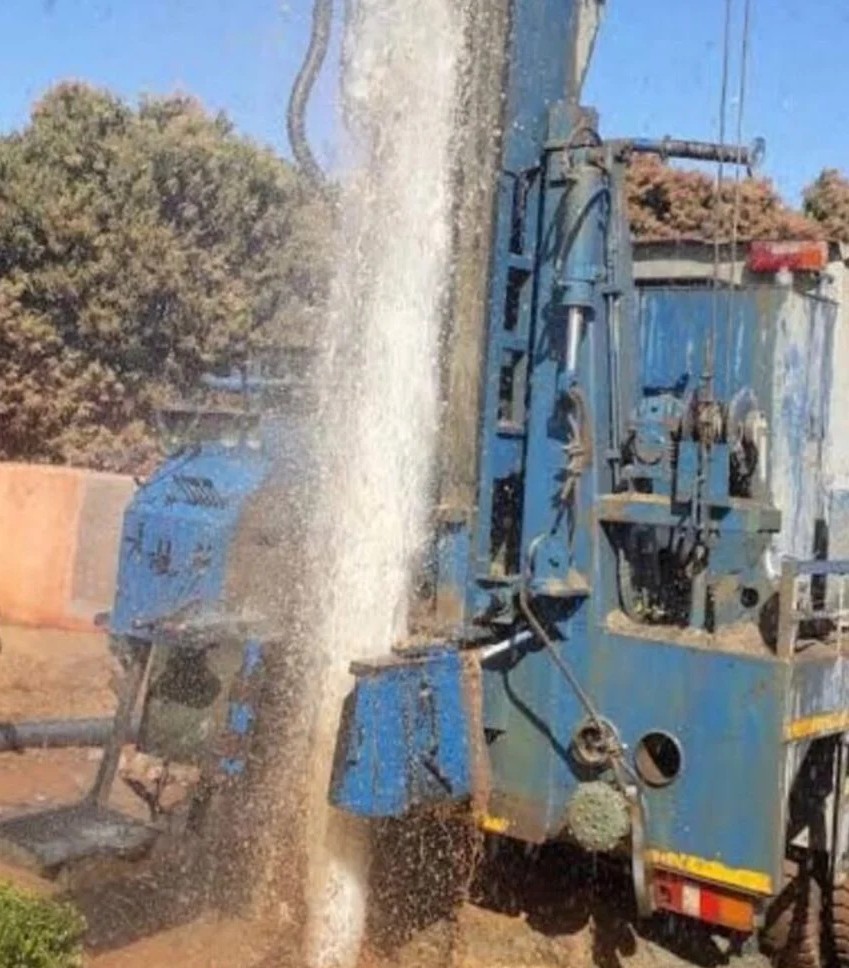
Locating reliable water at 300–500 m depth for a high-production well requires deeper investigation and advanced geophysics.
30% of Earth's
Fresh Water
Groundwater makes up approximately 30% of the world's readily available fresh water. It is replenished from the surface and can naturally discharge through springs and seeps, creating oases or wetlands.
The increasing global dependence on groundwater highlights the importance of identifying and mapping water resources. Geophysical methods allow precise detection of water conduits and reservoirs by observing subtle changes in subsurface conductivity linked to water movement.
Anyone can find low-yield, poor quality water within 0-100 metres depth BUT the bigger groundwater reserves are deeper (> 500m depth)
| Zone | Description | Key Use |
|---|---|---|
| Vadose Zone | Unsaturated — above water table | Infiltration & contamination pathways |
| Water Table | Saturated zone boundary | Water extraction potential |
| Confined Aquifer | Bounded by impermeable layers | High-yield drilling targets |
| Unconfined Aquifer | Open to recharge from above | Seasonal monitoring |
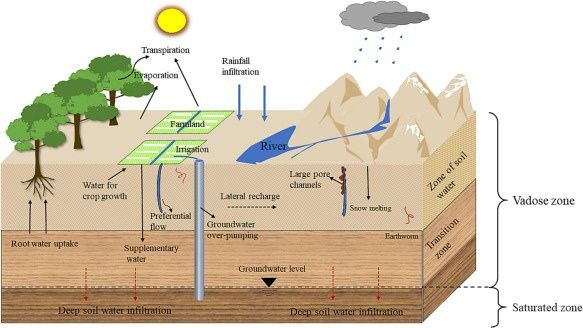
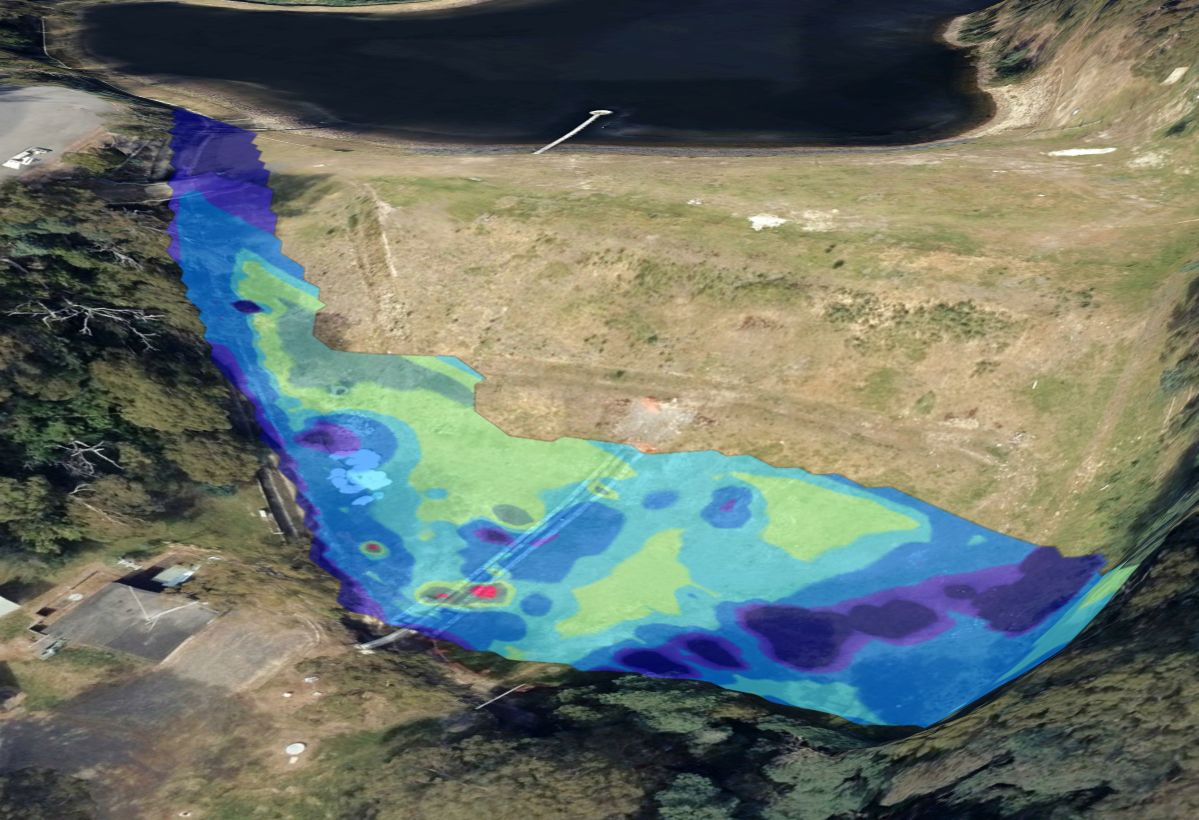
Geophysical monitoring of groundwater flow pathways from water reservoir
Groundwater Seepage &
Contaminant Drainage
Managing seepage from tailings dams and acid rock drainage is crucial — contaminants can infiltrate groundwater rendering it unusable. Remediation often involves installing groundwater bores around mine perimeters to monitor contamination, which can be costly.
Geophysical surveys provide broader, spatially extensive insights into groundwater pathways and their potential interaction with surface contaminants — a valuable supplement to traditional monitoring methods.